


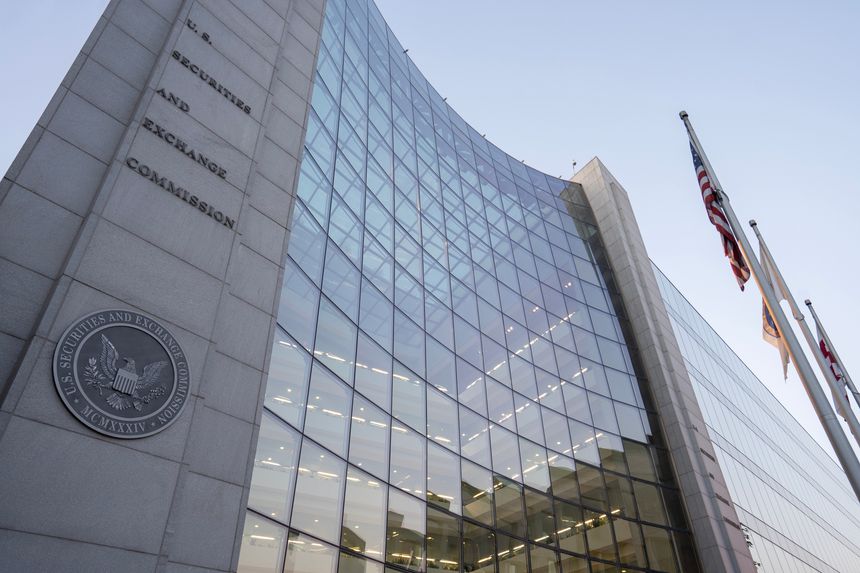
In helpful guidance to registered investment advisers, the SEC’s Division of Examinations issued a Risk Alert on December 16, 2025, with its observations on compliance with the SEC’s Marketing Rule, specifically focusing on testimonials and third-party ratings. The Risk Alert, together with the Division’s previously published risk alert on the Marketing Rule, provides key insights and takeaways for compliance programs where advisers are seeking to use testimonials, endorsements, or third-party rankings as part of their advertising.
Among other requirements, the Marketing Rule (Rule 206(4)-1 under the Investment Advisers Act of 1940) prohibits the use of testimonials and endorsements in advertisements unless the adviser satisfies certain disclosure and oversight conditions, and puts conditions on the payment of any compensation. It also prohibits the use of third-party ratings in advertisements, unless an adviser has a reasonable basis for believing that the preparation of the third-party ratings meet certain criteria and discloses certain information related to the ratings.
The Risk Alert provides observations regarding disclosure requirements, oversight, and compliance practices under the testimonials and endorsements provisions, as well as advisers’ due diligence and disclosure requirements under the third-party ratings provisions.
For testimonial and endorsements, the Risk Alert notes the following areas of non-compliance:
- Failures to provide required disclosures at the time the testimonial or endorsement was disseminated;
- Compliance policies and procedures that were either not updated or not implemented, or both;
- Failures to provide required clear and prominent disclosures (e.g., the status of a promoter, whether compensation was paid). It is notable that the Alert specifically references the use of hyperlinks and font size/color as factors that contribute to noncompliance;
- Disclosure deficiencies on whether a promoter was a current or former client, or whether the promoter was paid cash or non-cash compensation and/or had a material conflict of interest;
- Failures to disclose material terms of compensation arrangements, and where applicable, failures to have the required basis to reasonably believe that the person giving the testimonial complied with the disclosure requirements for paid testimonials; and
- Lack of compliance with the prohibition on compensating “ineligible persons” for endorsements.
The third-party rating provisions under the Marketing Rule require that an adviser has a reasonable basis for believing that questionnaires or surveys used in the preparation of the third-party rating were structured to make it equally easy for a participant to provide favorable and unfavorable responses and were not designed to produce any predetermined results.
The Risk Alert notes that some advisers did not appear to have sufficient information to form a reasonable basis about the design or structure of questionnaires that were used in the preparation of third-party ratings included in advertisements. In addition, the Alert notes advisers included third-party ratings in advertisements without providing some or all of the required clear and prominent disclosures; including in connection with links to third-party websites, identification of relevant dates and time periods, use of third-party ratings logos, and payment of compensation for third-party rating use.
/Passle/687957ea093e1f067f31b682/SearchServiceImages/2026-09-10-16-37-32-702-6aa2dccca166fca0660b7ce3.jpg)
/Passle/687957ea093e1f067f31b682/SearchServiceImages/2026-08-24-15-35-32-271-6a8c64c49806d2c2ffb7eab1.jpg)
/Passle/687957ea093e1f067f31b682/SearchServiceImages/2026-08-14-19-14-09-146-6a7f6901c85b701a5ecb353d.jpg)